
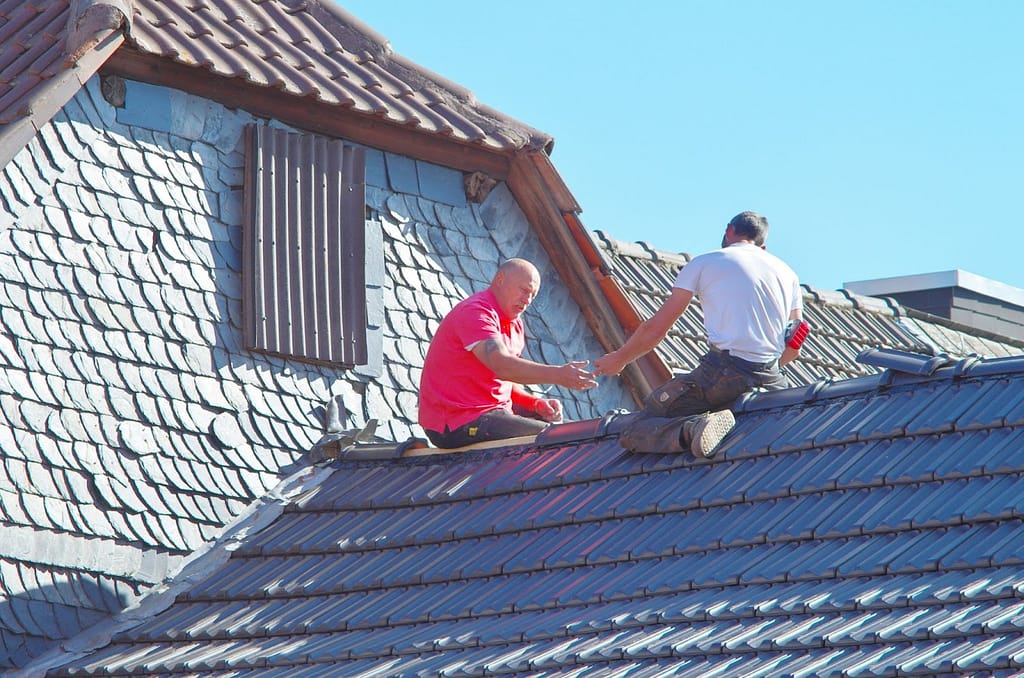
Photo by Immo Wegmann on Unsplash
You've spotted a few shingles missing after last week's storm and a few brown stains on your ceilings. Now you're wondering: Do I patch this up, or is it time to bite the bullet and replace the whole thing?
This decision affects more than just your wallet today. Get it wrong, and you could be looking at thousands in water damage, sky-high energy bills, or worse, a roof failure when you least expect it. At Instant Roofer, we help homeowners like you figure out the smarter choice. We'll show you exactly when to repair and when to replace your roof, and how to decide without second-guessing yourself.
What's the Difference? Repair vs. Replacement
We’ll touch a bit on the basics first. A roof repair means fixing isolated problems like replacing a handful of shingles, sealing flashing around your chimney, or patching a small leak. These are usually fast jobs that take just a few hours. They work best when your roof is still fairly new,and the damage hasn't spread much.
A roof replacement is a full overhaul. We're talking about tearing off the old layers down to the deck, inspecting the structure underneath, and installing a completely new roof system. It's a bigger investment upfront, but it gives you decades of protection and peace of mind.
The trade-offs break down like this:
- Repairing saves you money now, but it might turn into repeated fixes if problems keep popping up
- Replacement costs more upfront but boosts your home's value, slashes energy bills, and comes with warranties that actually protect you
Here’s where a simple rule of thumb helps. If repair costs are creeping toward 30% or more of what a new roof would cost, it is usually smarter to invest in replacement instead of chasing problems year after year.
Signs Your Roof Needs Repair
Sometimes a simple fix is all you need. If you catch problems early and they're not widespread, then repairs make perfect sense. Look for these tell-tale signs:
A few missing shingles curling at the edges. After a windstorm, you might spot three or four missing shingles or ones that are starting to curl. If the rest of the shingles look solid, replacing those problem spots can postpone replacing them another five to ten years.
You notice water coming from the flashing. Small drips near your chimney or bathroom vent are often caused by bad flashing. Catch it early before water sneaks into your walls, and a roofer can reseal it for less than $500.
Localized storm damage. Hail dents or wind damage affecting less than 30% of your roof qualifies for spot repairing. Your insurance might even cover it, so file that claim fast.
Yours is only halfway through its expected lifespan. If you've got asphalt shingles that are only eight or ten years old (they typically last 15 to 25 years) and only a few are missing, a small fix makes sense.
If you want to do a quick check, stand in your yard and scan the roof. Look for obvious gaps, broken shingles, or sagging. Then check your gutters for piles of shingle granules. If you see only a few issues and the rest look even and flat, a repair may be all you need.
Signs It's Time for Roof Replacement
Now, let's talk about when patching things up just won't cut it anymore. These are the red flags that scream "replace me now":
Granule loss in your gutters. If you're scooping out what looks like coarse sand every time you clean your gutters, your shingles are losing their protective coating. This happens as asphalt roofs age, and once it's widespread, no amount of patching will save you.
Shingles are buckling, curling, or cracking surface-wide. When damage covers more than 30% of your roof, you're past the point of fixing it. Starting over with a new roof is the only solution for this problem.
Multiple roof leaks. Do you see leaking in different spots? This is a clear sign that it's done and needs to be replaced. Water damage inside your home can easily cost $10,000 to repair, way more than a new roof costs.
Attic water stains or daylight peeking through. Head up to your attic with a flashlight. See water stains on the rafters? Spots where sunlight sneaks in? That's your deck failing, and it needs immediate attention.
Sagging roof deck or rotted rafters. If any part of the roof sags like a hammock, stop everything and call a professional. This is a structural issue that compromises your home's safety.
Energy bills keep climbing. Is your AC running harder every summer? An aging roof with poor insulation lets heat in. A new one with proper ventilation and reflective materials can cut cooling costs by 10 to 20%.
You've had repeated repairs. If it has had more than a few repair jobs, you're throwing money away. Add up those $500 and $1,000 service bills, and you'll see they often equal what you'd spend on a replacement that lasts for decades.
Key Factors to Consider
Beyond just looking at damage, think through these decision drivers:
Roof age and material lifespan. Different materials age differently. Here's what to expect:
- Asphalt shingles: 15-30 years
- Metal roofing: 40-70 years
- Clay or concrete tile: 40-100 years
- Slate: 50-150 years
If you're close to or past these ranges, lean toward replacement.
How much of it is damaged? Remember the 30% rule here. If damage covers more than a third of your surface, it means replace it, not repair it. Less than that? Patching the bad spots might work fine.
Your budget and home plans. Planning to sell in the next few years? Buyers want new roofs, and you'll recoup most of your investment. Staying put? Factor in long-term savings from lower energy bills and avoiding emergency fixes.
Insurance coverage. Many policies follow a 25% rule for storm damage. If fixing the damage cost 25% or more of the replacement value, they'll pay for the whole new roof. Check your coverage before you decide.
Climate wear and tear. Extreme heat, heavy snow, or brutal storms all speed up roof aging. It might not last as long as the averages suggest if your area gets pounded by the weather.
We suggest you get at least three opinions from licensed roofing contractors. Ask each one how much life they believe your current roof has left, what they recommend, and why. Compare their reasoning along with their prices so you can make a confident choice.
Cost Comparison: Repair vs. Replacement
Let's talk numbers, because this is where the decision gets real.
| Aspect | Repair | Replacement |
| Average Cost | $300-$3,000 | $5,000-$20,000+ |
| When It's Best | Minor damage, young roof | Old roof, widespread damage |
| Long-Term Value | Adds 5-10 years | Adds 20-70+ years with warranty |
Here's the breakdown: A typical repair for missing shingles or minor leaks runs $300 to $3,000, depending on the extent and materials. Simple flashing fixes stay on the low end; replacing a section of damaged decking pushes toward the high end.
Full roof replacement costs $5,000 to $20,000 or more, varying by size, material choice, and complexity (angles, pitch, etc.). Asphalt shingles are the cheapest at $1 to $4 per square foot installed. Metal runs $8 to $16, and premium tile or slate hits $10 to $30.
But here's what those numbers don't show: Numbers can add up fast. If you're spending $2,000 a year chasing leaks, that's $10,000 over five years with nothing to show but Band-Aids. A new installation gives you 20 to 70 years of coverage, manufacturer warranties, and energy savings that cut your AC bills by hundreds annually.
Step-by-Step: How to Decide
Follow this simple checklist:
Step 1: Do a visual inspection. Walk around your property and look for obvious issues like missing shingles, sagging sections, and moss growth. Then head to the attic with a flashlight and check for water stains, daylight, or soft spots in the wood. Download the free “free roof inspection checklist” from the NRCA (National Roofing Contractors Association) for a guide you can print out and use.
Step 2: Call two to three licensed professionals. Get detailed quotes that break down costs and explain their recommendations. Ask specifically: How much life do my shingles have left? What warranties are covered under both? Why are you recommending this option?
Step 3: Crunch the numbers. Compare what you'd spend on repairs now versus the cost of a new system. Factor in how often you might need more repairs, potential energy savings from a new system, and whether you plan to sell soon.
Step 4: Check insurance and timing. File storm damage claims quickly because insurers have deadlines. If you're replacing, schedule it during cooler months when possible. You'll get better installation conditions and often better pricing during off-peak seasons. Annual checks catch issues early, saving thousands on water/mold fixes.
FAQs
How often should I inspect my roof?
At least once a year, plus after major storms. Spring and fall are ideal times.
Can I tell the shingle age by looking at them?
Look for granule loss, curling edges, and brittleness. Check your home records for its installation date since that's the most reliable method.
Will my insurance cover a replacement?
It depends on the source of the damage. Storm damage often qualifies; normal wear usually doesn't. Check your policy's replacement vs. actual cash value coverage.
Make the Right Choice for Your Home
Whether you repair or replace, the best approach is to act fast. Water damage doesn't wait, and small problems turn into big headaches quicker than you'd think.
At Instant Roofer, we believe every homeowner deserves straight talk and smart options. Try our free roofing calculator to get an instant estimate on both repair and replacement costs for your specific roof. Just plug in a few details about your home, and you'll see exactly where you stand financially.