
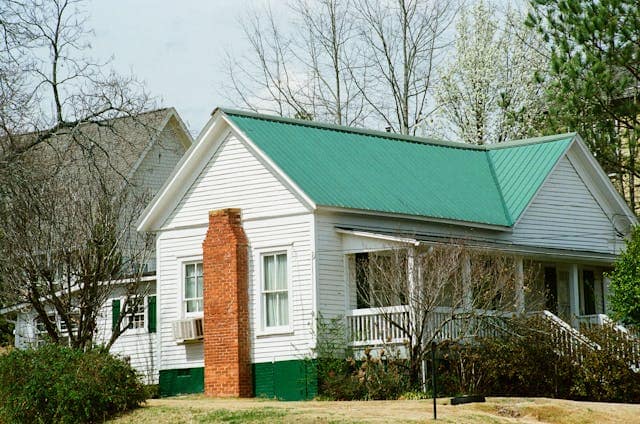
You've probably noticed those sleek metal roofs with sharp vertical lines catching sunlight in newer neighborhoods. Standing seam metal roofing uses long panels that lock together with raised seams running from eave to ridge, creating a modern, polished look. Homeowners choose a metal roofing system for the 40-70 year lifespan, energy savings, and almost no maintenance. This guide breaks down exactly how it works, realistic costs, common concerns, and who sees the best value.
What Is Standing Seam Metal Roofing?
Standing seam roofs consist of continuous vertical metal panels (20-24 feet long) with raised seams that snap or mechanically lock together. Fasteners stay completely hidden beneath those seams, unlike cheaper metal roofs, where screws pierce the surface every few feet.
The panels attach to your roof deck through clips in the seam, not the flat panel face. This design seals out water while letting metal expand/contract with Arizona's extreme temperature swings (20°F winter nights to 115°F summer peaks). Steel works best for most homes; aluminum suits coastal areas; copper offers premium aging.
What Makes Standing Seam Systems Different
From the outside, this panel system looks clean and straightforward. But on the inside, it’s a carefully engineered system designed to create a tight seal, lock out water, and last for decades. The absence of external screws is one of the biggest differences between this and other roofing types.
The problem with traditional metal roofs is the visible fasteners that hold everything in place. Over time, they can come loose, wear down, or let water seep in. This is where leaks often start.
Standing seam systems keep the fasteners protected from sun, rain, and temperature changes. With fewer exposed parts, there is less to go wrong. The result is a roof that holds up better and needs next to no upkeep.
Built to Handle Temperature Changes
Temperature plays a big role in how your roof holds up over time. Metal naturally expands when heated and contracts when cooled down. Natural movement happens every day and in every season, even if you don’t notice it. A good roof needs to handle motion without stress.
Built with this natural occurrence in mind, special clips let the panels shift slightly as temperatures change. This gives the metal room to move instead of forcing it to stay tight.
Flexibility is one of the reasons these roofs last so long. A system like this can age naturally instead of constantly pushing back against the weather. Over time, less wear means fewer problems and better long-term performance.
Why Homeowners Choose Standing Seam
Beauty and long life are why many people choose this roofing system. Crisp lines and a smooth finish add character without looking over the top.
Premium metal roofing systems look so different than most shingled roofs and work with almost any home style. Even a simple home can feel more custom with this roof style.
Unlike trend-driven materials, standing seam ages gracefully. It does not rely on patterns or textures to make an impression. The design stays classic and appealing year after year.
Made From Quality Materials
Most of the standing seam roofs you see on homes are made from steel. Steel is one of the strongest materials, and gives you a good balance between cost and performance. Steel remains most homeowners' top pick
Aluminum resists rust and is lighter than steel, making this a smart choice in coastal climates.
Copper lasts a very long time and develops a beautiful patina as it ages, but it is much more expensive and not as common.
How Long Does a Standing Seam Roof Last?
One of the biggest reasons homeowners choose this metal roofing system is its incredible longevity. A well-installed roof easily lasts 40 to 70 years without replacement.
That's a huge advantage over asphalt shingles, which typically wear out in 15 to 25 years. Over the life of your home, this design eliminates the need for multiple tear-offs.
The system costs more upfront, but the investment pays dividends through decades of service. With fewer repairs and no full replacements, you'll save time and money long-term. For those planning to stay put, this roof delivers exceptional value.
Answers to Common Concerns
Rain Noise?
Actually quiet. Solid plywood decking + underlayment + attic insulation blocks sound better than most shingles. Rain sounds soothing, not pounding.
Denting?
24-gauge resists golf-ball hail. Thicker 22-gauge handles baseball-sized hail. Individual panels replace easily—no patchwork.
Oil Canning (Waviness)?
Minimized with proper panel width (16-20"), thickness, and flat roof deck. Cosmetic only, doesn't affect performance.
Will It Look Cheap?
Never. Clean lines elevate any home's curb appeal. Premium paint systems prevent fading/chalking.
How Much Does a Standing Seam Roof Cost?
This premium metal roof type carries a higher upfront price than asphalt shingles. Exact costs vary widely based on your home size, materials, and location.
Steel: $10-$16/sq ft installed
Aluminum: $11-$18/sq ft installed
Copper: $25-$35/sq ft installed
Factors like roof complexity, pitch angles, metal choice, and local labor rates all impact the final number. Every home gets a custom quote, instead of a one-size-fits-all price.
While the initial investment exceeds shingles, most owners find it pays off handsomely. Minimal repairs plus no full replacements over decades create substantial lifetime savings. Long-term homeowners typically see the best return on this durable system..
How It Compares to Other Metal Roof Options
Not all metal roofs work the same way. Exposed fastener panels cost less upfront and suit sheds or barns, but they demand regular screw tightening and leak repairs.
This concealed-fastener system carries a higher initial price, but delivers superior leak protection and decades-long durability. Many homeowners gladly pay extra for that reliability.
Homes facing heavy rain, snow, or high winds benefit most. The raised-seam design shrugs off extreme weather while maintaining performance for generations.
The Bottom Line
If you want a roof you won’t have to think about again, it’s a smart choice. The combination of long life and low maintenance is hard to beat. For many, it ends up being the last roof they ever need to install.
If you're curious about costs for your specific home, our free roofing calculator gives you a personalized ballpark estimate in 60 seconds
Fact Checked by Lisa Musser on January 28, 2026.