Solar Panel Cost Calculator
Free. No obligation. No credit card required. Just enter your home address to get started.
Thinking of upgrading your living situation with cost-saving and energy efficient solar panels? Our solar panel cost calculator uses your address to scan your roof, giving you a custom, accurate, and quick cost estimate for your future investment while also connecting you to local contractors near you! The current average price for a solar system in the USA is $39,719.


1,053,968 Roofs measured by our roofing calculator in the United States

$39,719 Average roof replacement cost for a Solar Panel system in the United States

46,698 Highly rated roofers in the United States
Solar panel pricing is not one size fits all. The total cost of going solar depends on your home’s energy usage, roof characteristics, equipment choices, and available incentives. While national averages can provide a rough range, they rarely reflect what a system will actually cost for your property.
This page breaks down what goes into the price of a residential solar system, how panel and battery choices affect cost, and how incentives can reduce your out-of-pocket investment. Use this information alongside a solar cost calculator to better understand pricing, savings, and whether solar makes financial sense for your home.
What Makes Up the Cost of a Solar System
When homeowners ask about solar panel cost, they are often thinking about the price of individual panels. In practice, residential solar pricing is based on the entire system, not single panels. A solar installation includes panels, mounting hardware, inverters, wiring, electrical work, permitting, and labor. System size is designed around your home’s energy usage, roof layout, and sun exposure rather than panel count alone.
Panel Price vs. Total System Price
You are not purchasing individual 100-watt or 200-watt panels. You are purchasing a complete solar system engineered to meet your household’s energy needs. The panels themselves are only one component of the overall project, and focusing solely on per-panel pricing can be misleading when estimating total cost.
Typical Solar Panel Pricing
Solar panel pricing varies based on wattage, efficiency, and manufacturer. Lower wattage panels usually cost less upfront but may require more panels to achieve the same energy output, which can increase labor and installation complexity. Higher efficiency panels cost more per panel but generate more power in less space, often reducing the total number of panels required. In many cases, this helps balance out the higher upfront cost.
Based on data from our solar panel cost calculator, residential solar installations typically range from $15,000 to $100,000, with a nationwide average around $39,719. Final pricing depends on system size, equipment selection, roof characteristics, and available incentives.
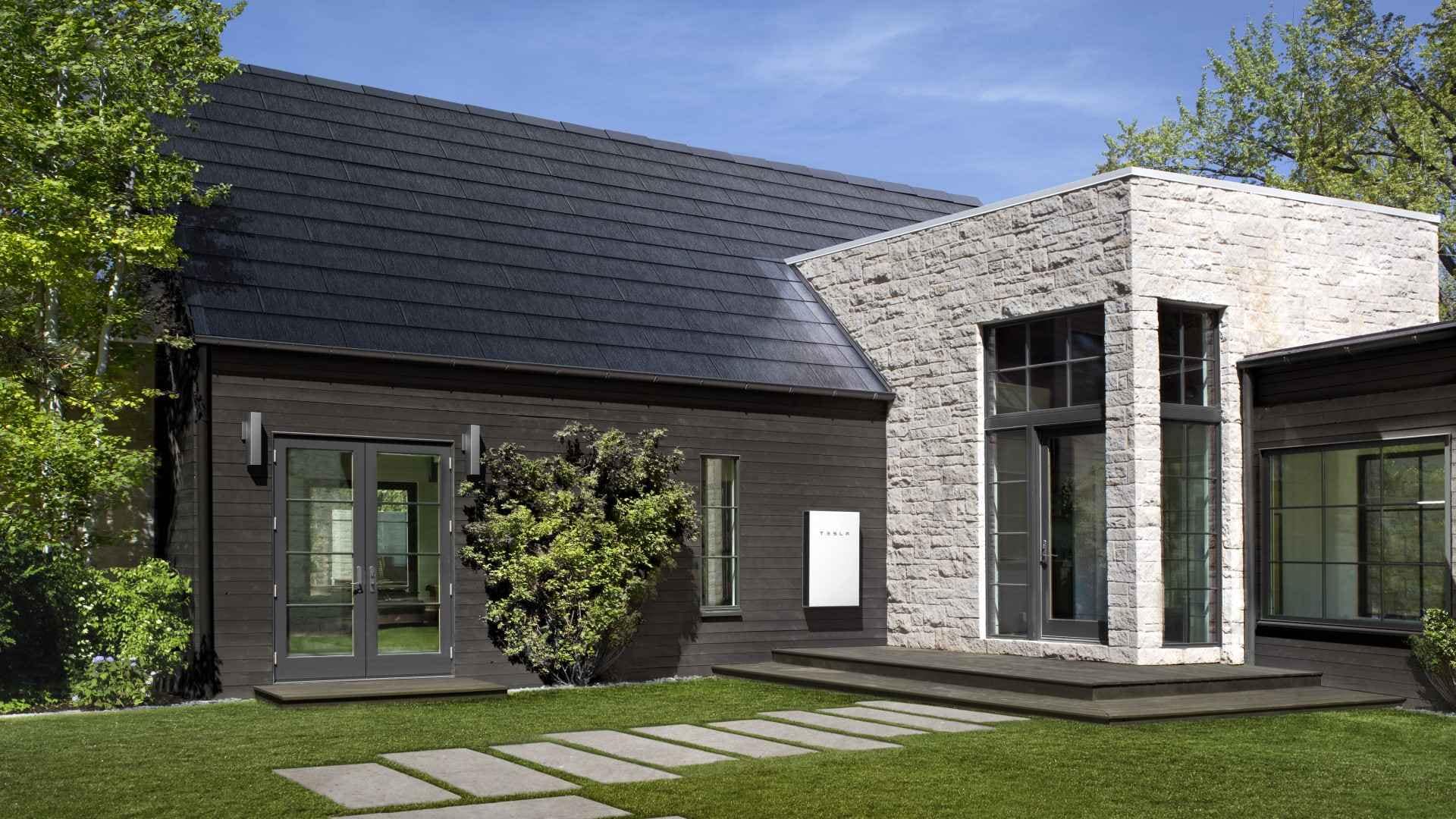
If you are considering premium options, such as integrated solar roofing systems, you can explore whether that investment aligns with your long-term goals on our Tesla Solar Roof page.
Solar Batteries and Additional Equipment Costs
Battery storage increases the overall system cost but adds backup power and flexibility. A single battery is often sufficient for essential loads, while whole-home backup typically requires multiple batteries. Electrical upgrades, load management, and backup configuration also influence total pricing. Like panels, batteries are priced as part of a system design rather than as standalone components.
5 Key Factors That Affect Solar Panel Cost
What you'll pay for solar depends on several moving parts:

Panel technology
Monocrystalline panels are more efficient but have a higher price tag. Polycrystalline and thin-film options that cost less, but may need more roof space to produce the same amount of energy.

System size
Adding more panels increases your total cost, but it can lower your cost per watt since you're spreading fixed expenses like installation across a larger system.
Roof details
Your roof plays a big role in cost. Size, direction, shade, and condition all matter. Angled roofs or ones that are partially shaded may need more panels or more work to fit them, which can increase the price.

Local labor and market
Solar costs also change based on where you live. Local labor rates, permits, time of year, and how busy installers are can all affect your final price.

Incentives and tax breaks
Rebates and tax credits can lower what you pay out of pocket, often making solar much more affordable than it looks at first.
Cost per Watt and Why It Matters
Understanding Cost per Watt
Cost per watt is the most reliable way to compare solar quotes. You calculate it by dividing your total system cost by the system's total wattage. This gives you an apples-to-apples comparison, whether you're looking at different installers or weighing panel types against each other.
Why Wattage Matters
Higher wattage panels pump out more electricity from the same space, cutting down the total number you need. This keeps your system simpler and often cheaper overall, especially if you get several hours of strong sunlight.
Tight Roof Space
If you have a small roof, regular panels might not all fit. The high-efficiency options win by packing more power into every square foot.
Long-Term Benefits of Solar Panels
Energy Savings Over Time
Most people focus only on the upfront cost, but the real question is what solar panels cost over their entire lifespan. These systems can produce power reliably for decades, so you're not just buying equipment; you're locking in years of reduced electricity bills. That changes the math completely.
Payback Period Basics
Your payback period is how long it takes to recover the cost of what you spent on the system. If you live in a sunny area with high electricity rates, you'll hit that break-even point faster. If your utility rates are low or your roof doesn't get much sun, it'll take longer. Your energy use patterns matter too.
Solar Panel Brands and Performance Differences
Choosing the right solar panel brand affects efficiency, long-term energy production, and overall system value. While many panels appear similar, differences in efficiency ratings, degradation rates, and warranties can meaningfully impact how much power a system produces over time and how well it holds up over decades.
REC Solar Panels
REC panels are well known for strong performance in hot climates. They maintain higher output during extreme temperatures, which helps reduce seasonal efficiency loss. REC panels are often selected for homes where durability and long-term performance are priorities.

Qcells Solar Panels
Qcells is one of the most commonly installed residential solar brands in the United States. These panels balance efficiency and affordability, making them a popular choice for homeowners focused on cost-per-watt without sacrificing reliability.
Panasonic Solar Panels
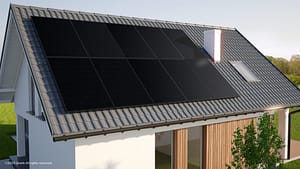
Panasonic solar panels emphasize premium construction and low degradation over time. Although they typically cost more upfront, they are designed to maintain higher output levels long term, which appeals to homeowners planning to stay in their home for many years.

Maxeon Solar Panels
Maxeon produces some of the highest efficiency residential solar panels available. These panels generate more electricity per square foot, which can be valuable for homes with limited roof space. Higher efficiency can also reduce the total number of panels required.
Hyundai Solar Panels
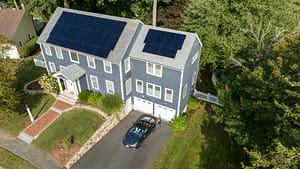
Hyundai Energy Solutions solar panels offer dependable performance at competitive pricing. They are often chosen by homeowners who want a trusted global brand with solid efficiency and long-term warranty coverage.

Solar Battery Options and Key Differences
Solar batteries allow homeowners to store excess energy for later use, improving energy independence and providing backup power during outages. Battery choice impacts usable capacity, power output, and how well the system supports essential or whole-home loads.

Tesla Powerwall Batteries
The Tesla Powerwall line remains one of the most recognized residential battery systems. Earlier Powerwall models provided limited capacity, while newer versions support higher power output and simpler system design. Powerwall systems are commonly used for whole-home backup and time-of-use energy shifting.
Enphase Solar Batteries
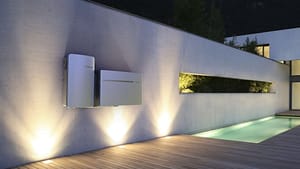
Enphase batteries integrate directly with microinverter-based solar systems. Their modular design allows homeowners to expand storage capacity over time, making them a flexible option for evolving energy needs.

LG Solar Batteries
LG Energy Solution solar batteries focus on compact design and proven lithium battery technology. They are often selected for homes with space constraints or for partial backup applications where reliability is the primary goal.
State and Local Solar Incentives
Federal Solar Tax Credits and Incentives
The federal solar tax credit allows homeowners who own their systems to apply a percentage of qualified solar and battery costs toward their federal tax liability. Eligible expenses include solar panels, inverters, battery storage, and installation labor. This credit significantly reduces the net cost of solar and improves long-term return on investment.
State and Local Solar Incentives
Many states and utilities offer additional solar incentives such as rebates, net metering credits, or tax exemptions. These programs vary by location and can significantly improve solar payback timelines when combined with federal incentives.
Federal Solar Tax Credit Changes
The 30% Federal Solar Tax Credit has expired for most homeowners as of December 31, 2025. This credit allowed homeowners to deduct 30% of their solar system costs (equipment and installation) from their federal income tax liability, potentially saving thousands of dollars on a solar project. To qualify, a solar system had to be installed and placed in service by December 31, 2025. Systems installed after this date no longer qualify for the homeowner-claimed tax credit under current law.
Some third-party ownership models like solar leases and Power Purchase Agreements (PPAs) still allow the credit to be claimed by the system owner (the business), which may be passed on to you through lower rates or buy-out options.
Power Purchase Agreements (PPAs) Explained
A Power Purchase Agreement (PPA) is a solar financing option that allows homeowners to install solar with little to no upfront cost. Under a PPA, a third-party provider owns, installs, and maintains the solar system, and the homeowner agrees to purchase the electricity it produces at a fixed or predetermined rate. This rate is often lower than the local utility price, which can lead to immediate monthly energy savings without the responsibility of system ownership or maintenance.
Because the homeowner does not own the system, PPAs do not qualify for federal tax credits or most state incentives. Long-term savings can also be lower compared to purchasing or financing a solar system outright, and PPA contracts typically last 10 to 25 years. While PPAs can be a good fit for homeowners focused on minimizing upfront costs and avoiding maintenance, it’s important to review contract terms carefully, especially if you plan to sell your home during the agreement period.
Are Solar Panels Worth It?
Solar panel cost comes down to the panel type, system size, roof conditions, and your local market. But whether it's worth it or not depends on your roof, your energy bills, and how long you plan to stay in your home.
If you love your home and don’t plan on moving, and your roof gets solid sun exposure, solar could lock in lower energy costs for years. If you're not sure, start by looking at your current electricity usage and what your roof can actually handle. That'll tell you most of what you need to know.
Other Roofing Material Types